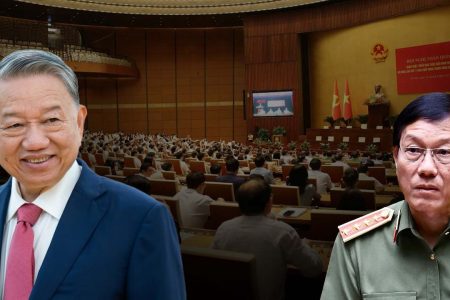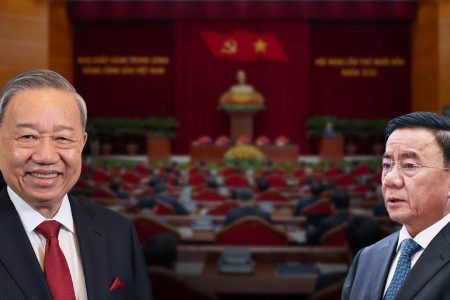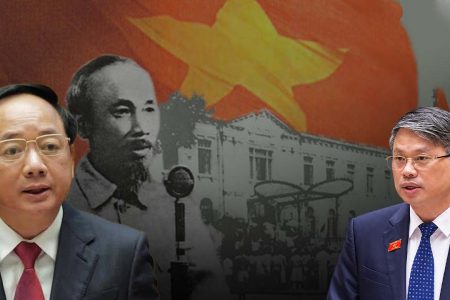
The concentration of supreme power in the hands of General Secretary and President To Lam is posing a major challenge for national governance, raising the question: “How can the power of the head of state be effectively controlled and monitored?”
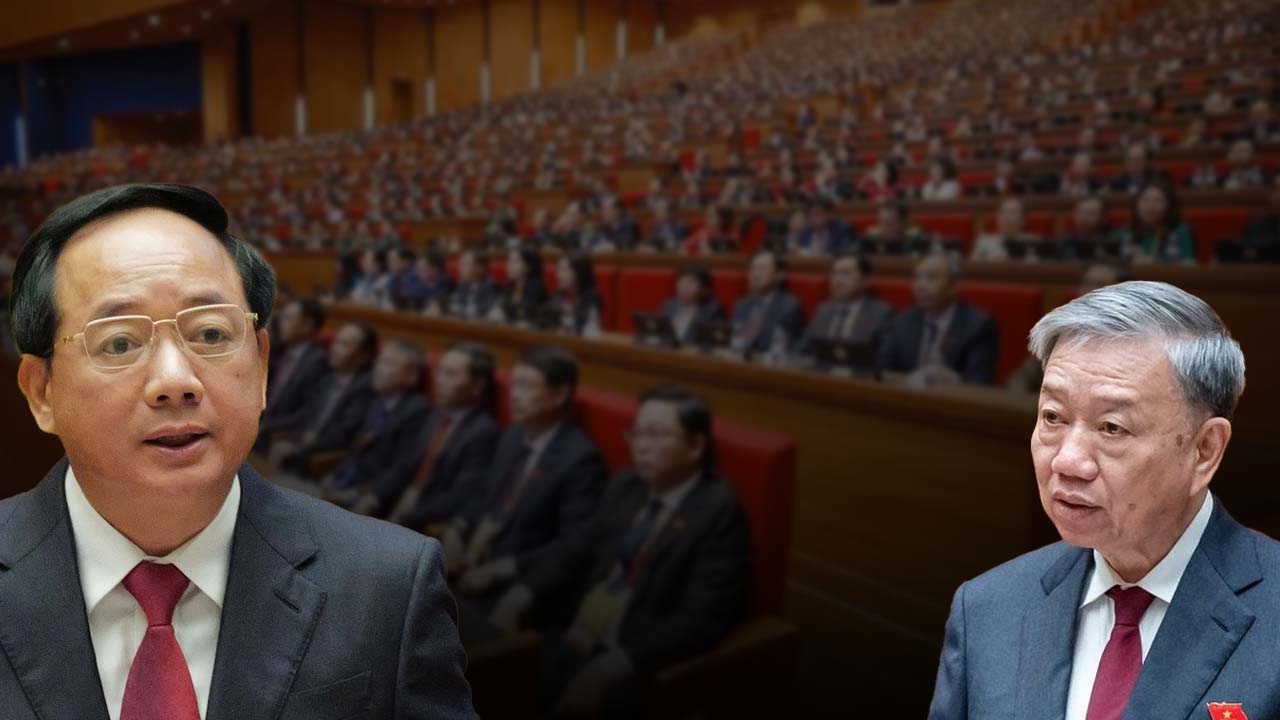
Notably, a recent statement by Trinh Van Quyet, Head of the Central Propaganda and Education Commission, at the “Conference on Implementing the Resolutions of the Communist Party of Vietnam” struck a chord with public expectations. Mr. Quyet asserted: “Setting an example is no longer a voluntary act to be encouraged, but a mandatory leadership practice.”
According to Mr. Quyet, the higher the position, the more specific and transparent the requirement to set an example must be—and, crucially, it must be subject to oversight by both the organization and the general public.
This is considered a noteworthy shift in governance philosophy, as—given that the Communist Party of Vietnam holds absolute power—leaders’ acceptance of public oversight is an essential principle for preventing the risk of corruption among officials and party members.
Looking at the current political situation in Ba Dinh, domestic and international observers have offered completely contrasting perspectives.
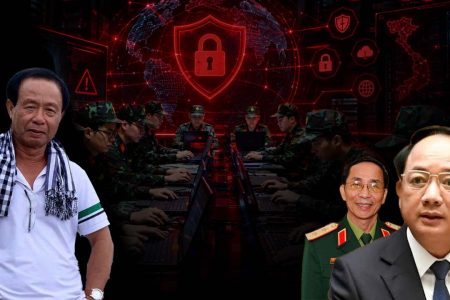
According to international human rights monitoring organizations, the increased control over cyberspace and the media are moves to tighten ideological control over the people in order to safeguard the regime.
Conversely, public policy analysts continue to place their trust in the official statements of Mr. To Lam, in which he affirmed that “cyberspace is a channel